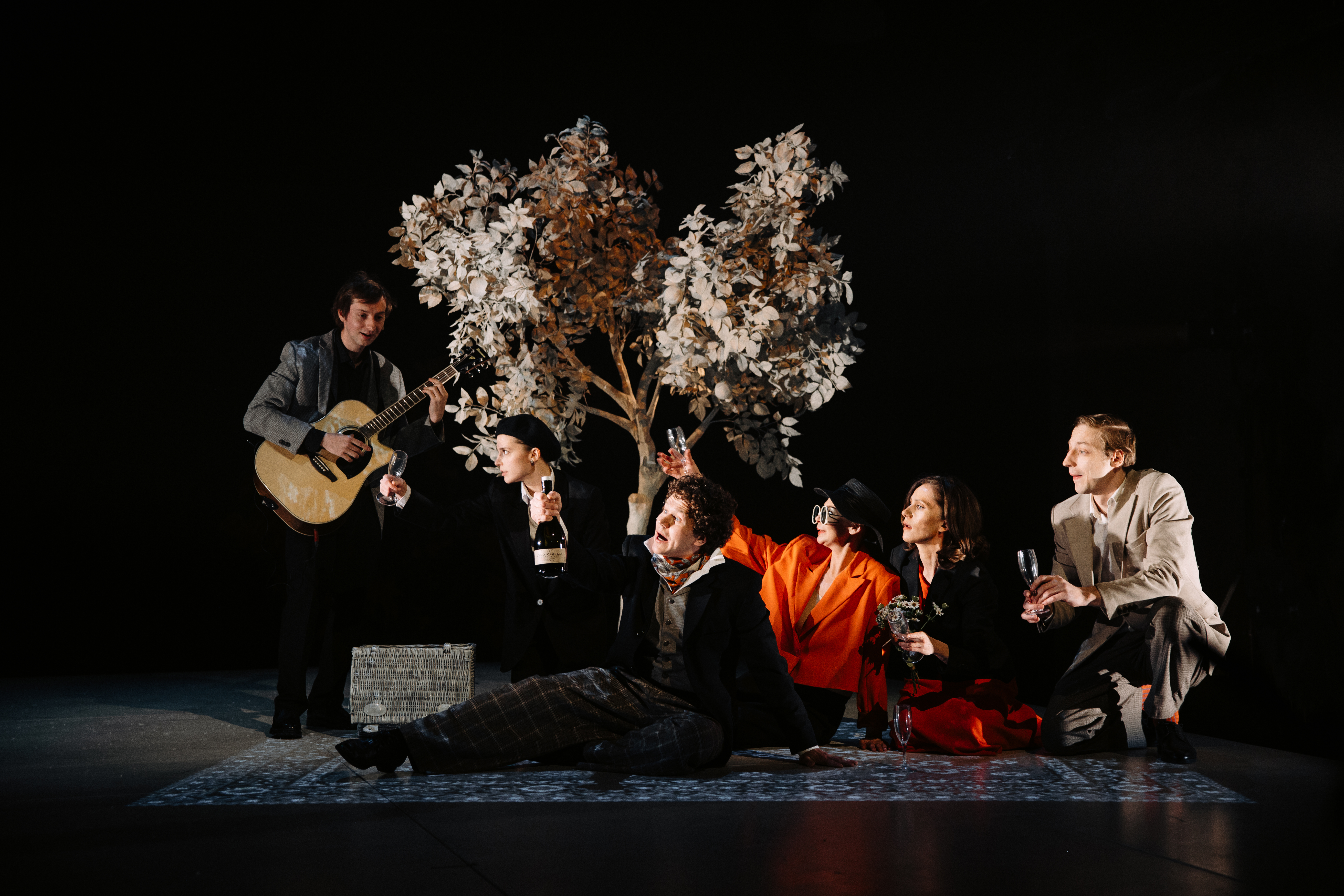
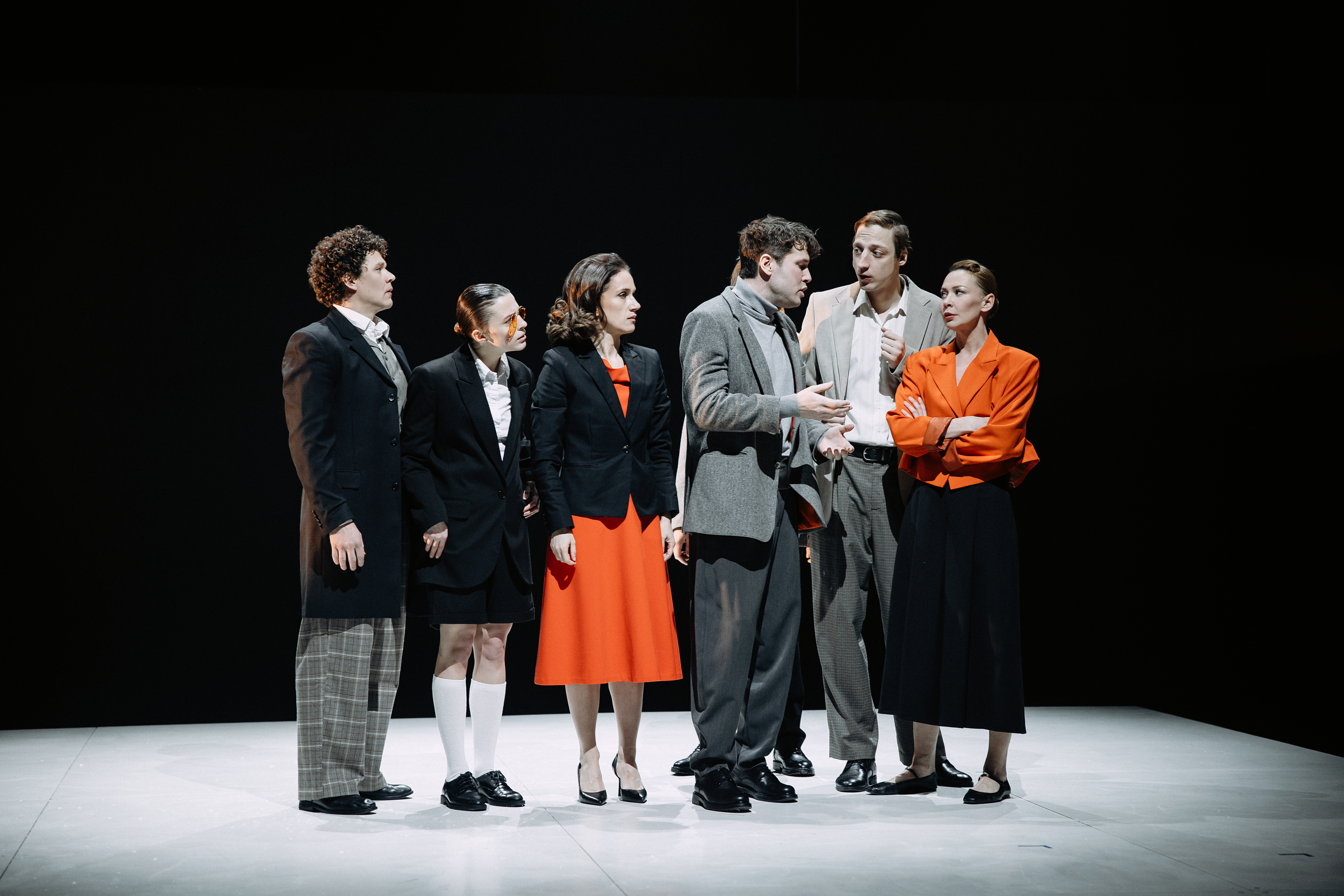
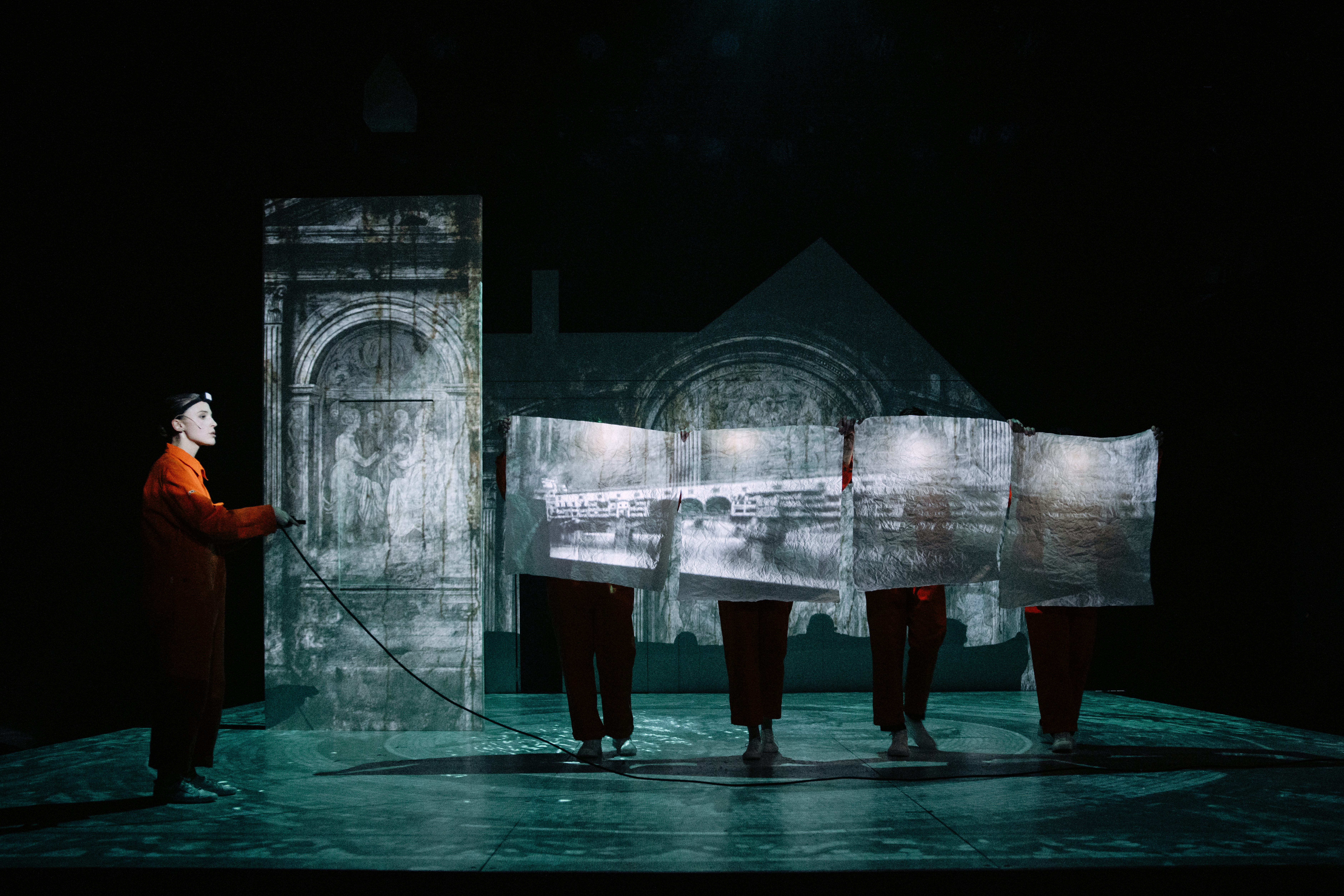
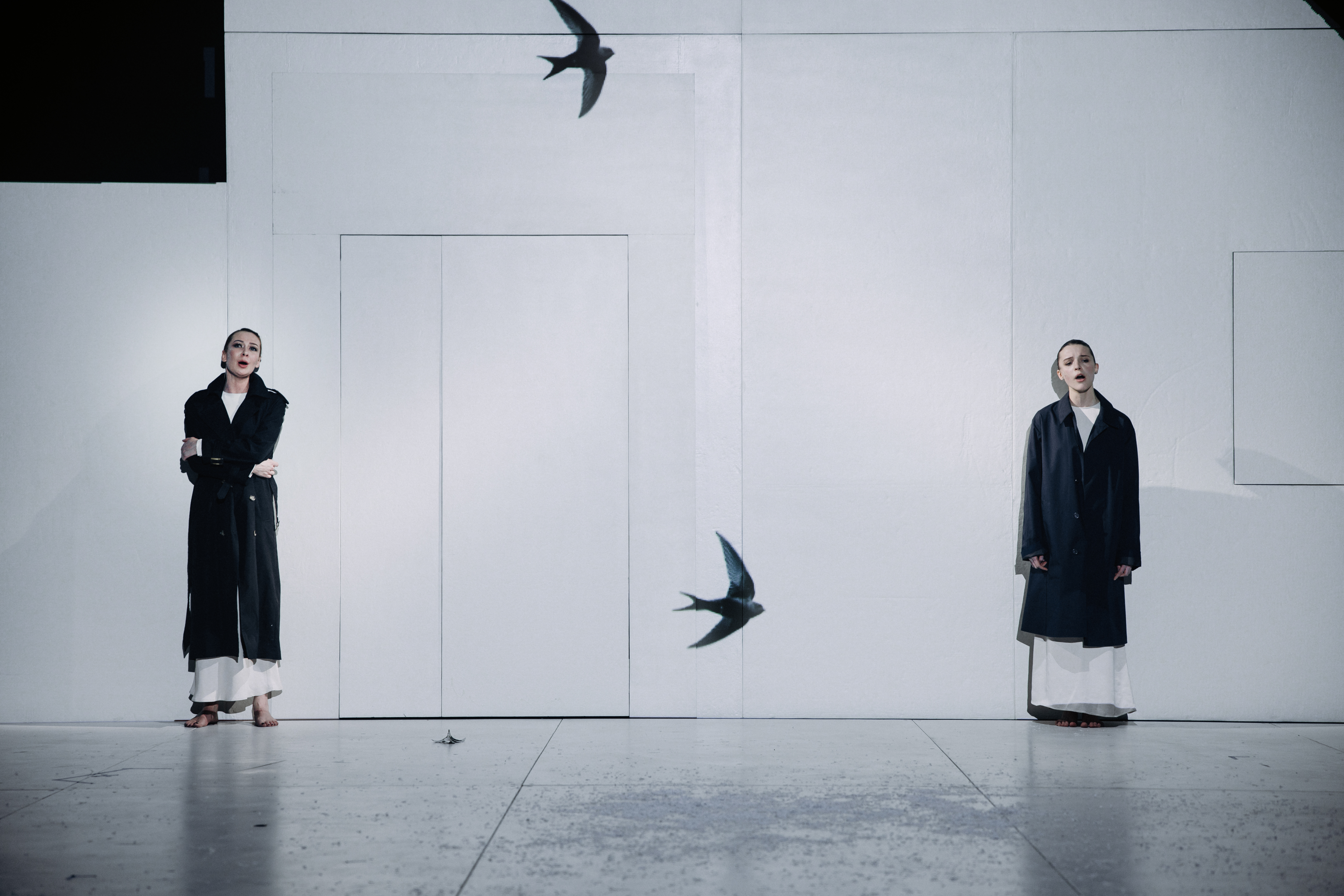
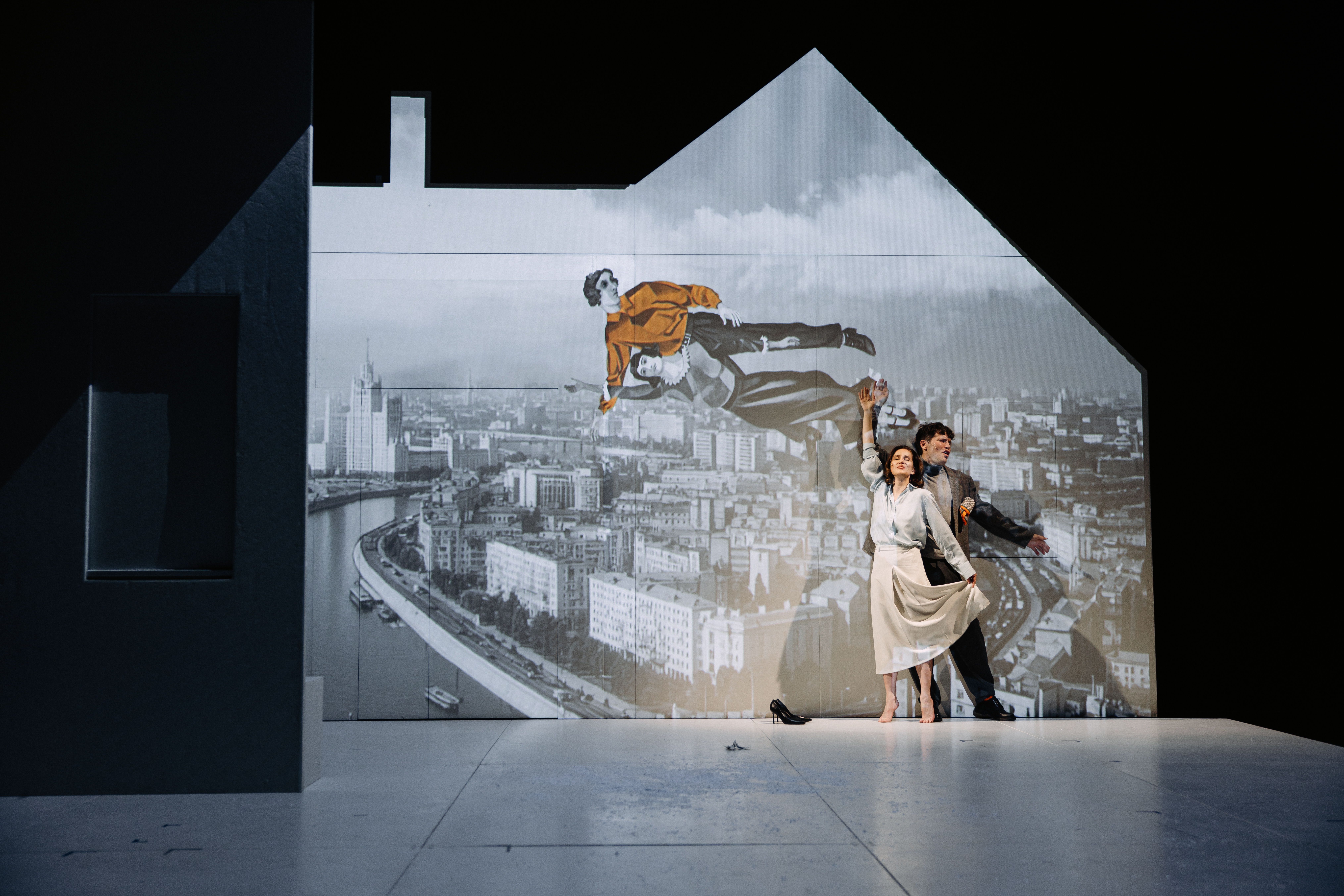
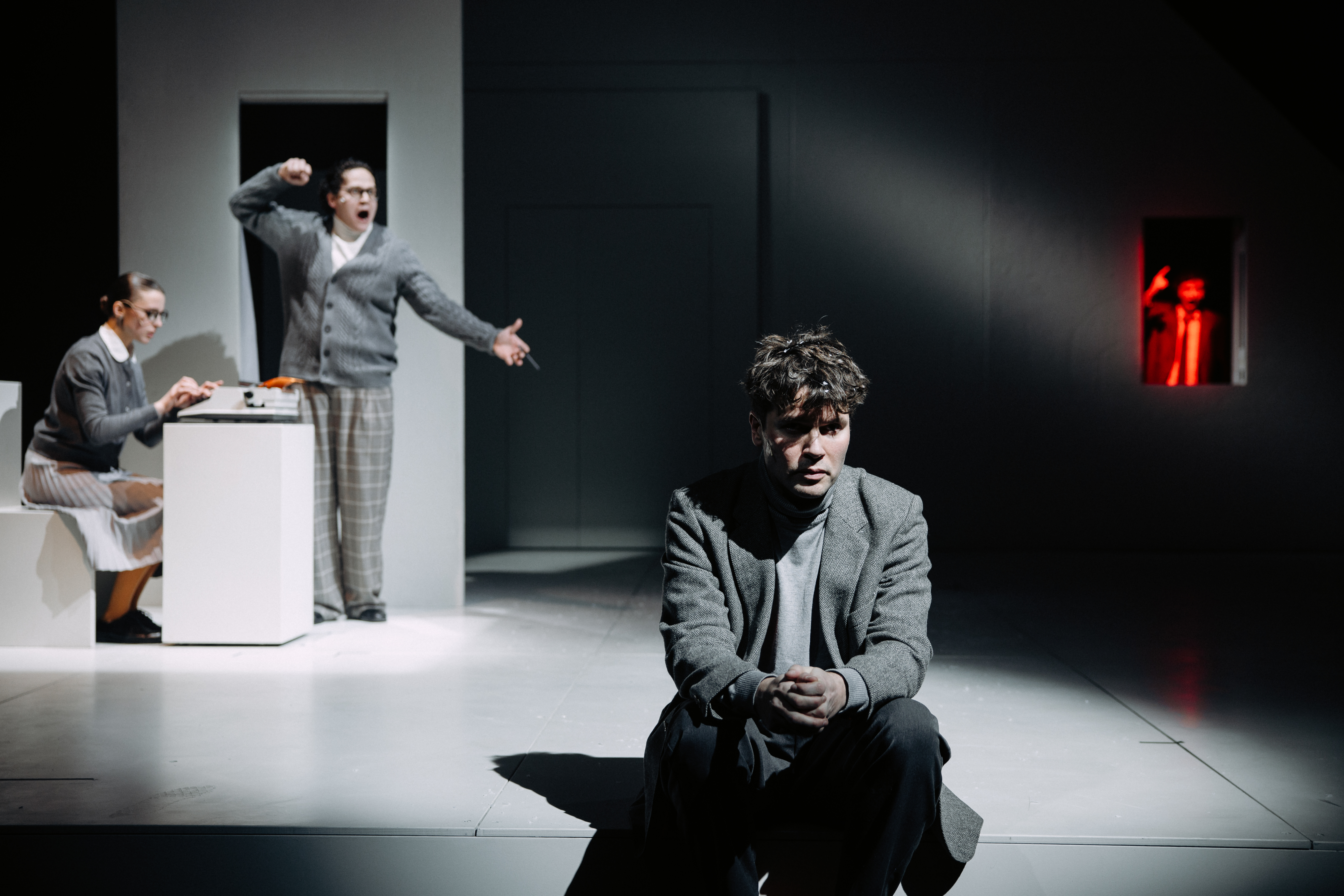
Director Roman Chaliapin based the production on several episodes from the life of one of the most famous Soviet poets of the 20th century, Andrei Voznesensky. Author of the libretto for the Lenkom production of Juno and Avos and the poems that inspired the iconic production of Antiworlds at the Taganka Theater, Voznesensky was not only a witness to the defining events of his era; he literally shaped cultural trends. His work reflects the spirit of the times, the changes and challenges facing society in all its diversity: from the Soviet technical intelligentsia to the masses during Perestroika. For example, Voznesensky also wrote the lyrics to the beloved songs "A Million Scarlet Roses" and "A Girl Crying in a Phone Booth."
"Andrei Voznesensky's journey was filled with numerous events, each of which could have formed the basis of a separate book or play. Having selected the most powerful moments and focused on a few particularly historically significant facts from the poet's life, I decided to combine them not simply in the biopic genre, which typically describes events chronologically and, as the hero matures, the story moves toward its logical conclusion. In our case, the hero himself suggests the form of a non-linear play," says Roman Chaliapin.
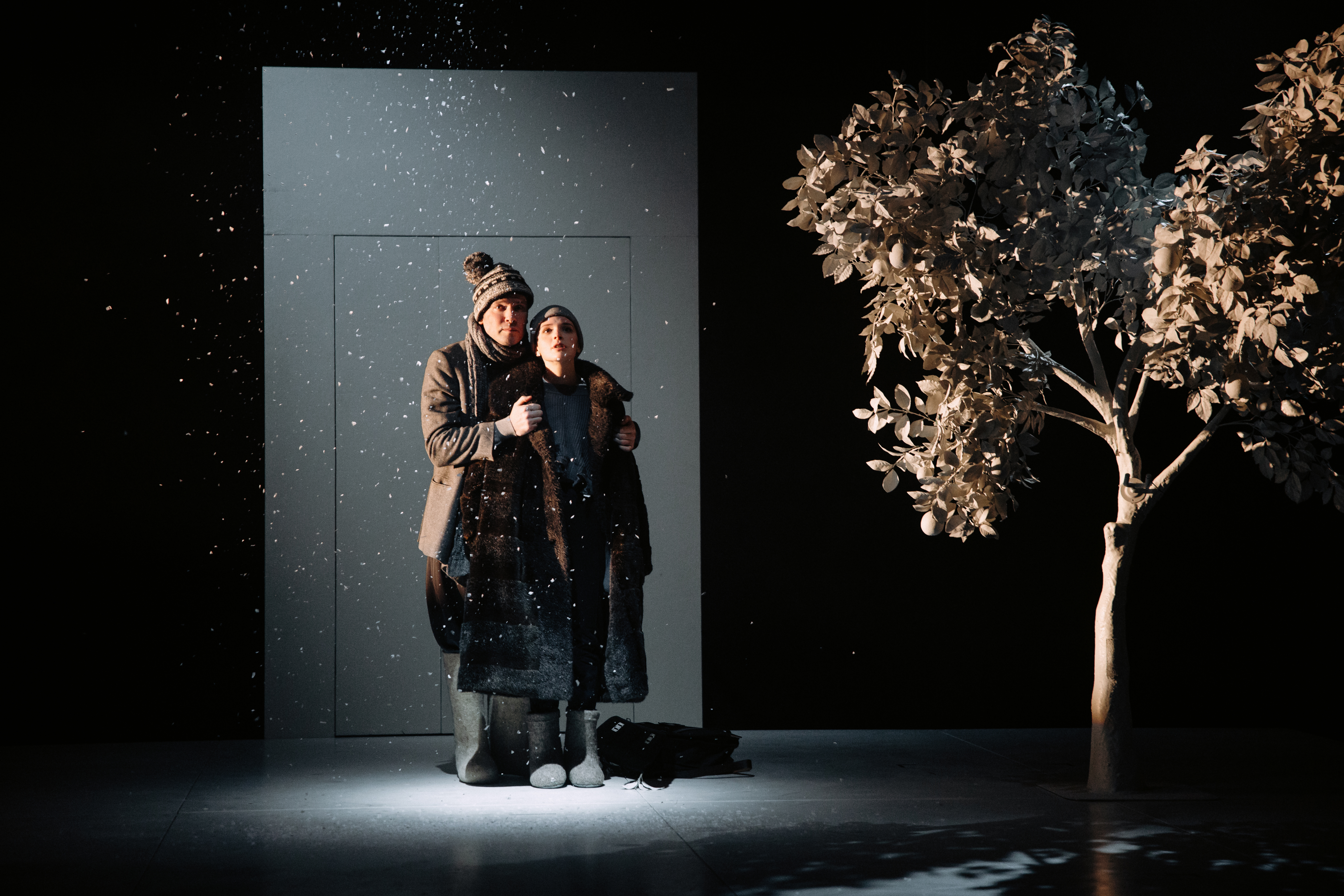
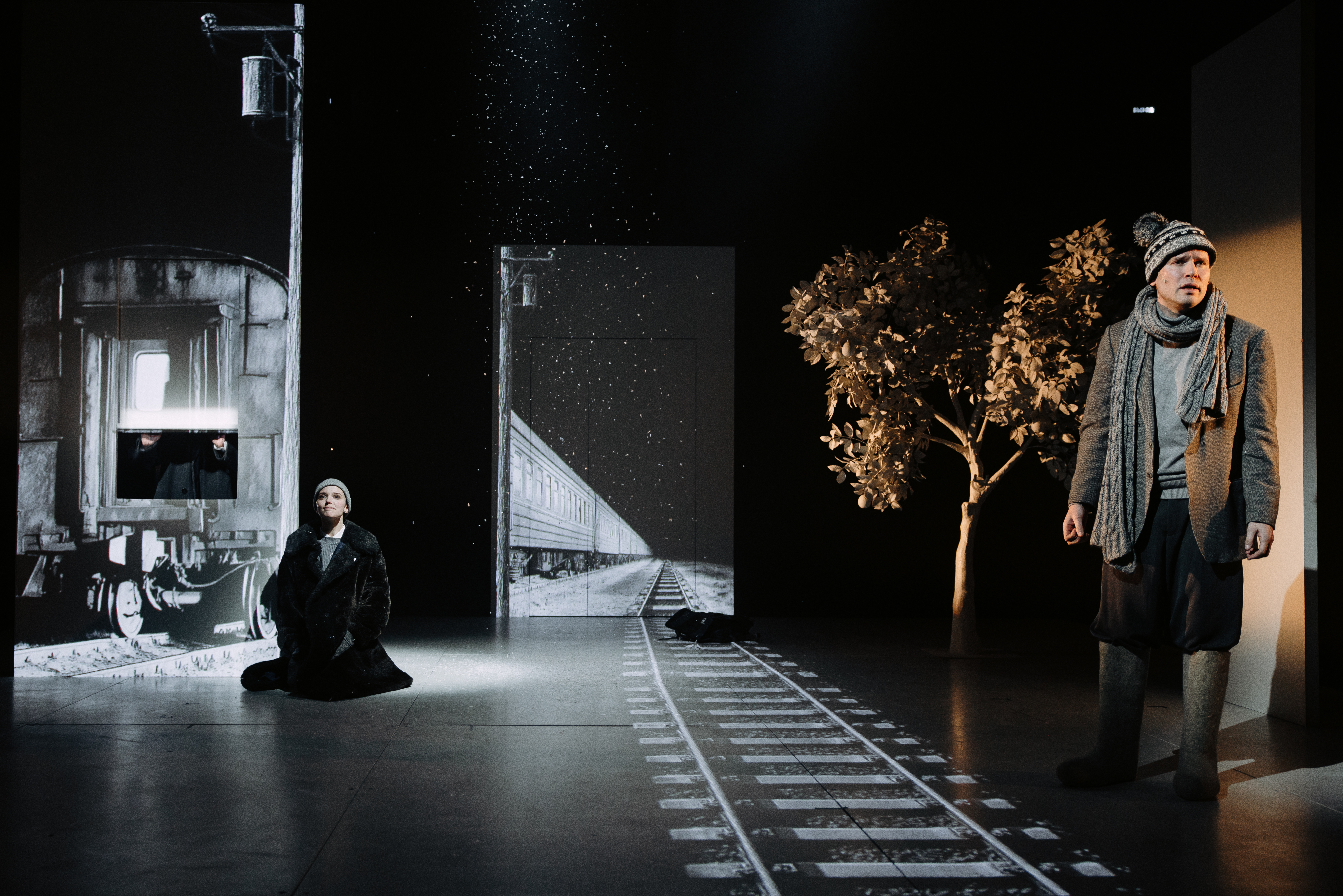
Andrei Voznesensky graduated from the Moscow Architectural Institute, which largely shaped his style—the poet applied his spatial thinking skills to various fields, including literature. The production's set design also stemmed from architectural principles. The space is a construction set, where each element is a module capable of changing shape or being transformed through projection, which is precisely what happens with each new scene.
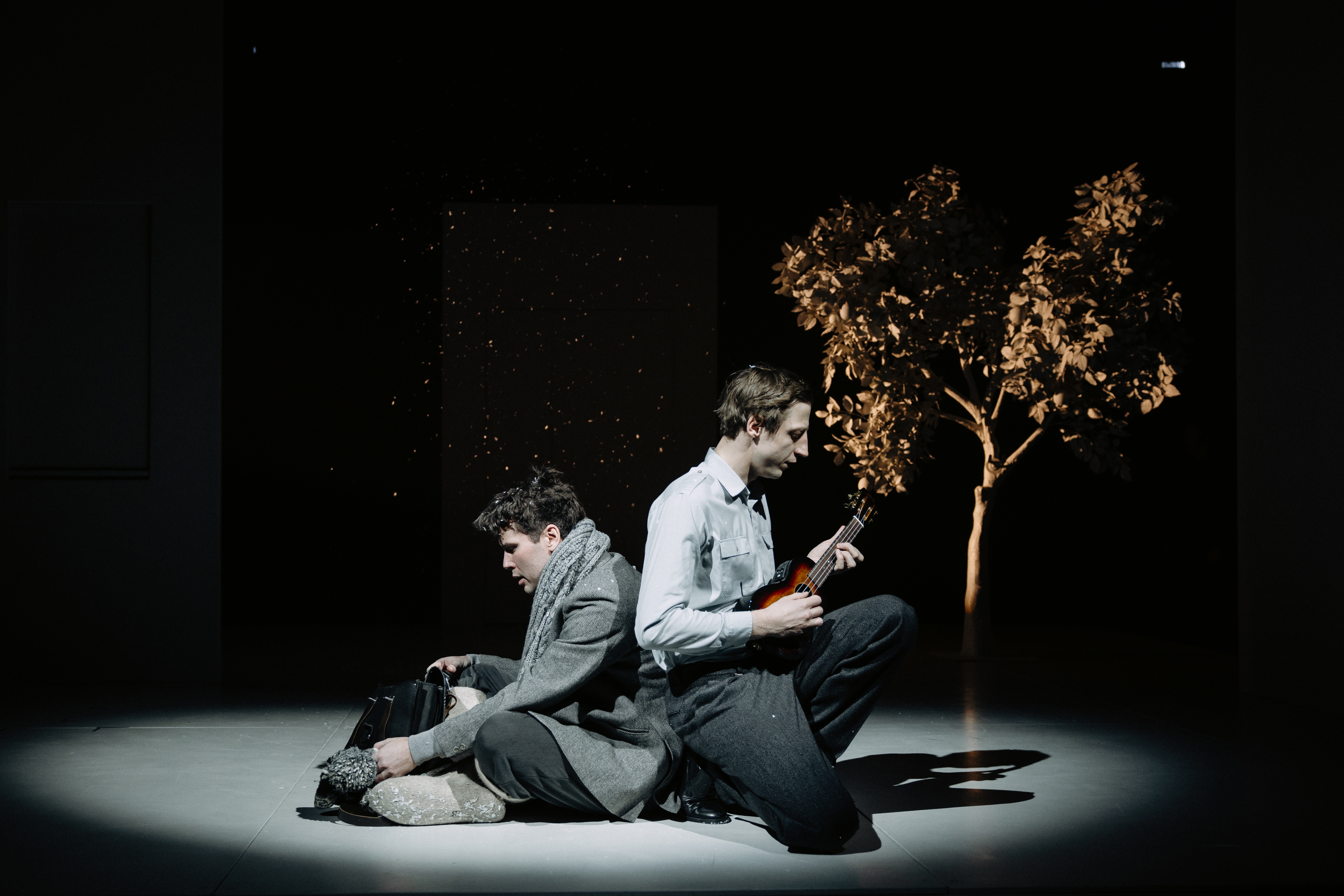
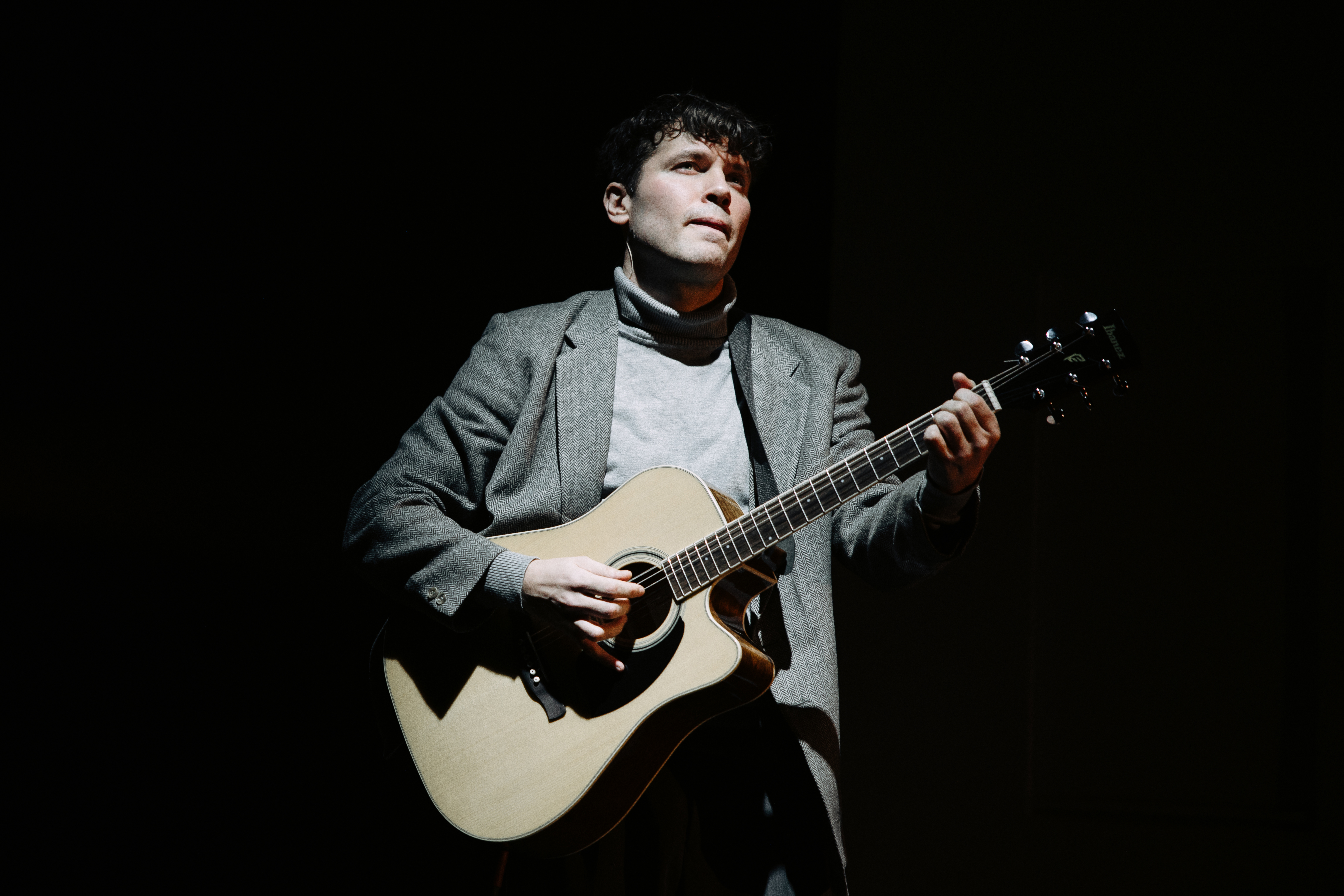
The performance features prose and poetry by Andrei Voznesensky, songs by Soviet composers, and music specially written for the performance.